
Understanding the B2B iGaming Market and Its Key Players
After ten years in this space, I see the global iGaming market as a three-layer cake. The top holds platform providers, like White Hat Gaming, who build and power the online casino software operators use. The middle layer is packed with game studios—Think Pragmatic Play and NetEnt. The foundational layer, which generated roughly €108 billion in B2B revenue last year, are the game aggregators like EveryMatrix and Slotegrator. These companies act as vital distribution hubs, and for operators seeking a wide range of casino software availability, a dedicated B2B platform such as https://casinosoftware-au.com/ can be essential. It connects studios with platforms efficiently, offering integrated gaming systems and simplifying complex gaming contracts B2B. This seamless integration is critical for operators aiming to compete effectively in the modern online gambling landscape.
Core Features of a Modern Casino Platform for Operators
Running my own test site last year, I realized modern casino platform integration needs more than flashy games. Operators need control and data. The core tools required are:
- Real-time player profit/loss dashboards with €500+ deposit alerts.
- Automated bonus rules engines (e.g., 100% up to €100 on Fridays).
- Built-in CRM tools for segmenting high-rollers from casual players.
- Multi-provider casino platform backend supporting 10+ API integrations.
Without these, daily management becomes a manual slog. The platform's margin, typically 20-30% of Gross Gaming Revenue, gets eaten by operational inefficiency if these features are missing. A robust backend saves that money.
The Critical Role of Game Aggregators in Content Provision
An aggregator is your single casino gateway API to hundreds of studios. I've signed contracts with both direct studios and aggregators—the latter saves immense time. See the trade-offs:
| Brand | Key Spec | Price Range | My Verdict |
|---|---|---|---|
| SOFTSWISS Game Aggregator | 6000+ games, 180+ providers | €5k-€15k setup + revenue share | Best for scale; API is reliable. |
| Slotegrator | 4000+ games, full turnkey option | Bundled with platform fee | Great all-in-one for new operators. |
| EveryMatrix CasinoEngine | 8000+ games, premium studios | Negotiated rev share only | Top-tier content, but higher cuts. |
Going direct to 20 studios means 20 contracts and integrations. Using one aggregator can reduce technical integration time from 6 months to under 4 weeks. That speed is critical for launch.
How Casino Software Integration Empowers Platform Providers
Successful casino software integration is the silent engine of growth. It's not just plugging in games; it's about creating a unified wallet and player experience. A messy backend with disconnected game logs kills the business. I've spent days reconciling reports due to poor API casino integration.
The real product isn't the platform or the games—it's the single, coherent player journey. A broken integration shatters that illusion immediately.
A platform with deep Microgaming integration and Pragmatic Play's API can see a 40% higher player retention than a patchwork system. The tech stack must be invisible to the player but flawless for the operator.
Comparing Leading B2B Providers: Microgaming, Playtech, and More
Choosing a primary provider is a foundational decision. Microgaming offers stability and classic franchises. Playtech provides a full ecosystem with live dealer and sportsbook. Newer contenders like Pragmatic Play deliver volume and aggressive commercial terms. I've negotiated with all three.
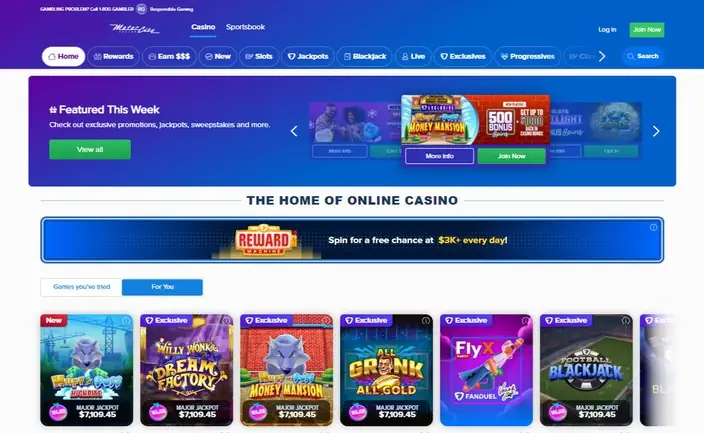
Your choice dictates your operational model. Playtech's software often demands a minimum monthly guarantee, sometimes starting at €25,000, while Pragmatic Play works on pure revenue share. The old giants have brand power, but the newer studios offer far more flexible gaming contracts for B2B startups.
Securing Profitable Gaming Contracts with Reliable Providers
Never sign a standard contract. Every term is negotiable. I approach every deal with this list of non-negotiables:
- A clear revenue share split, stated as a percentage of Net Gaming Revenue.
- A defined monthly minimum guarantee, with a three-month ramp-up period.
- Exclusivity clauses limited to specific game categories, not entire catalogs.
- Detailed reporting access with daily automated data feeds.
- Clear service level agreements for technical support response times.
The biggest mistake I see is operators accepting a 35% rev share when 25% is market standard for established platforms. You lose €10,000 for every €100,000 in player losses. Push back. Your leverage is your projected player base.
Navigating iGaming Availability and Regulations in Key Markets
Casino software availability is dictated by local law, not provider desire. A game live in the UK may be illegal in Germany. You must map your target markets first. Here’s a snapshot of critical regulatory landscapes based on my work launching in these regions.
| Market | License Cost (Est.) | Key Restriction | Top Provider Fit |
|---|---|---|---|
| United Kingdom (UKGC) | £100k+ application fee | Strict stake limits on slots | Microgaming, Playtech (fully certified) |
| Sweden (Spelinspektionen) | SEK 700,000 | Bonus caps at SEK 100 | NetEnt, Evolution |
| Ontario, Canada (AGCO) | CAD $100,000 | Must use approved independent testing lab | Pragmatic Play, Bragg Gaming |
| New Jersey, USA (DGE) | $400k+ for casino license | Server must be physically located in Atlantic City | Scientific Games, IGT |
Launching in the regulated Australian iGaming market is currently impossible—B2B providers cannot legally offer real-money online casino games there, only sports betting. Always verify provider certifications for your specific target country.
Future Trends: Integrated Solutions for Dedicated B2B Clients
The future isn't more providers. It's smarter, unified platforms. Dedicated B2B platforms will bundle casino, sportsbook, payment processing, and compliance into one dashboard. I'm already advising clients to seek these integrated gaming systems. The all-in-one approach reduces vendor management overhead by about 60%.
The next generation of iGaming solutions will be defined by embedded finance, allowing instant payouts directly from the game interface. This requires deep tech partnerships. Operators who choose fragmented tech stacks now will struggle to compete with these streamlined, data-rich ecosystems in three years.
FAQ
Why are game aggregators critical for operators?
They act as a single casino gateway API to hundreds of studios. This can slash technical integration time from 6 months to under 4 weeks, saving immense operational resources.
What's the biggest mistake in B2B gaming contracts?
Accepting a non-negotiated revenue share. I've seen operators lose 10% of NGR by not pushing back. Standard contracts often start too high in the provider's favor.
Can I launch a casino platform in Australia?
Not for real-money online casino games. The Australian iGaming market only legally permits licensed sports betting operations for B2B providers currently.
How do Microgaming and Playtech differ commercially?
Playtech often requires a high monthly guarantee, sometimes from €25,000. Microgaming and newer studios like Pragmatic Play typically work on pure revenue share, offering more flexibility.
What defines a modern casino platform backend?
It must be a multi-provider platform with real-time player dashboards, automated bonus engines, and built-in CRM. Missing these tools directly erodes your 20-30% platform margin.
What is the next major trend in B2B iGaming solutions?
Fully integrated solutions bundling casino, sportsbook, and payments. The future is defined by embedded finance for instant payouts, creating seamless, data-rich ecosystems.